NFTs and the Art World: Revolution or Temporary Trend?
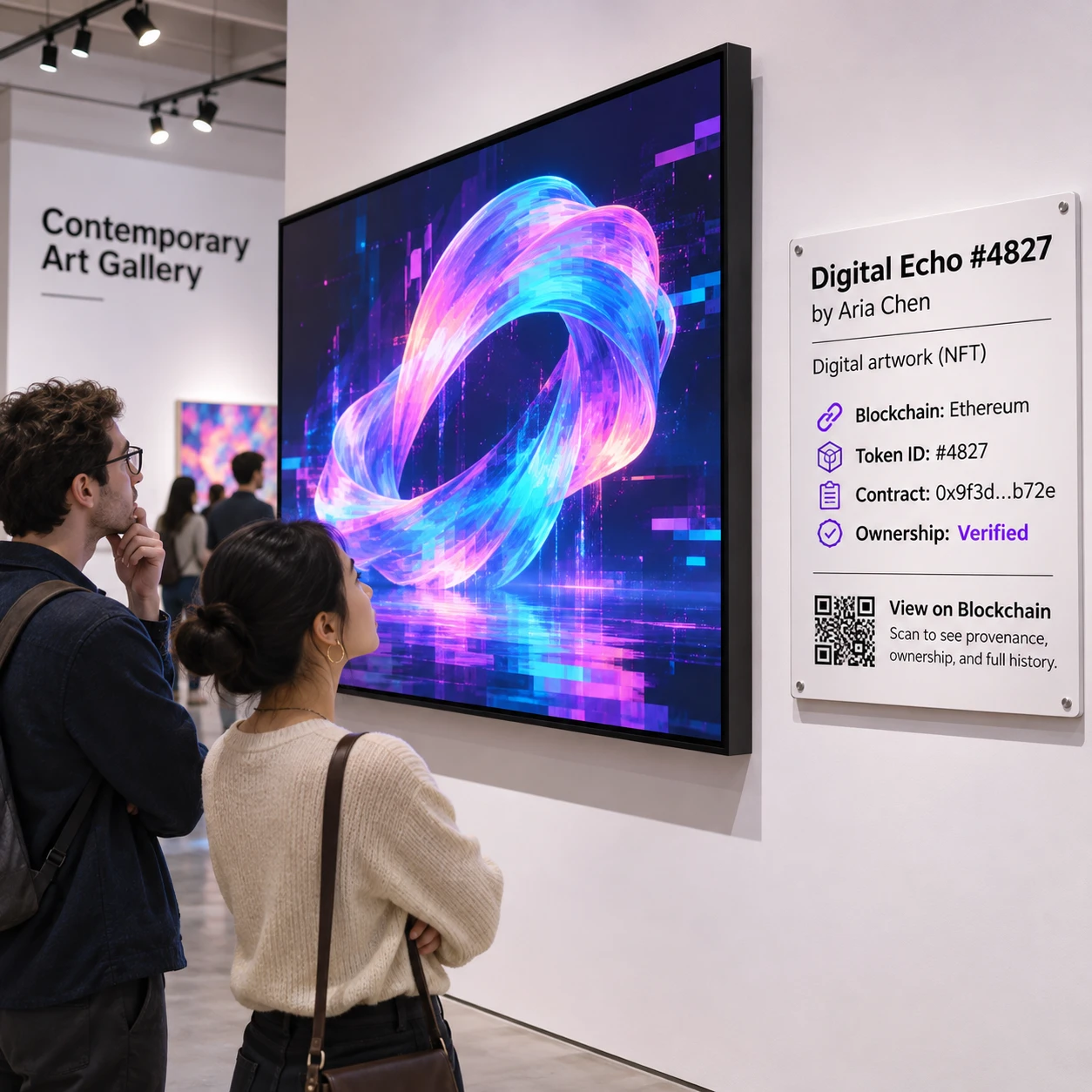
NFTs arrived in the art world with bold promises: artists could sell digital work directly, collectors could verify provenance, and a blockchain could preserve a record of ownership. The market’s speculative excitement has since cooled, but the questions it raised remain relevant. What does owning a digital artwork mean, and which parts of the NFT model can genuinely serve artists and audiences?
The answer is neither a clean revolution nor a finished fad. NFTs are a tool for recording and transferring a distinct digital token. Their artistic value depends on the work, its context, and the way artists, collectors, and galleries use it.
What NFTs Mean for Art and Ownership
An NFT, or non-fungible token, is a unique record on a blockchain that can be associated with a digital artwork. Buying the token may establish control of that token, but it does not automatically transfer copyright or guarantee ownership of the artwork itself.
Think of the NFT as a certificate-like entry in a digital ledger, rather than the artwork’s physical or legal equivalent. A blockchain is a shared database that records transactions. Because records are linked and distributed across a network, they can help document a token’s history. That history can support provenance, though it cannot by itself prove that the person who minted the token had permission to do so.
The artwork may be an image, animation, video, sound piece, or interactive work. Its file may be stored on a server or decentralized storage system, while the token records a link or other identifying data. If that file or link becomes unavailable, the token can remain visible on the blockchain even when the artwork is difficult to access.
Token ownership and copyright are separate. Copyright usually stays with the artist unless a contract or license clearly assigns or expands those rights. Buyers should read the sale terms to learn whether they can display, reproduce, adapt, or commercially use the work. For a useful overview of copyright principles, consult the [U.S. Copyright Office](https://www.copyright.gov/).
How NFTs Have Changed Opportunities for Artists
NFTs have given some artists new ways to present digital art, reach collectors, and sell work without relying on a traditional gallery as the sole route to market. Those opportunities can widen an artist’s audience, but they do not guarantee sales, visibility, or reliable income.
Before NFTs, digital artists often faced a practical problem: a file can be copied easily, so collectors had few established ways to acquire a recognized edition. An NFT can identify a particular token or edition and make its transfer history visible. Artists may also use online marketplaces to show work to international audiences and communicate directly with art collectors.
Some NFTs use a smart contract, software on a blockchain that carries out specified actions when conditions are met. A contract may be designed to direct a percentage of certain resales to the artist. This has made artist royalties a prominent part of the conversation, but royalties are not automatic or universally enforced. Marketplace policies and technical standards vary, and a sale made outside a platform’s system may not trigger payment.
Direct selling also shifts work onto the artist. They may need to manage digital files, explain wallet and platform basics, handle customer questions, and consider tax and legal obligations. Minting a token can create an edition record; it cannot create an audience or replace the curatorial work that helps people understand why an artwork matters.
What Collectors and Galleries Need to Consider
Collectors and contemporary art galleries should assess an NFT artwork’s authorship, terms, file access, and provenance before treating its blockchain record as proof of authenticity. The token can be one useful piece of evidence, not a complete account of the artwork’s history or meaning.
For a potential acquisition, check who created and minted the work, whether the artist’s identity can be verified, and whether the sale is authorized. Review the license, edition size, smart-contract details, and the platform’s rules. Confirm how the artwork is stored and whether the collector can access a working copy if a website or service closes.
Provenance also involves context: exhibition records, artist documentation, prior sales, and the relationship between the token and the work. A blockchain can make token transfers easy to trace, yet it cannot settle disputes about authorship, permission, or whether a particular version is the artist’s intended work.
Galleries can engage with NFT art by exhibiting digital works, supporting artists’ research, helping collectors understand terms, and documenting how a work should be installed or experienced. A gallery may display an animation on a screen, for example, while explaining its edition and display conditions. The challenge is practical as well as curatorial: screens, software, wallets, and network access can affect how the work appears and endures.
The Challenges Behind the Hype
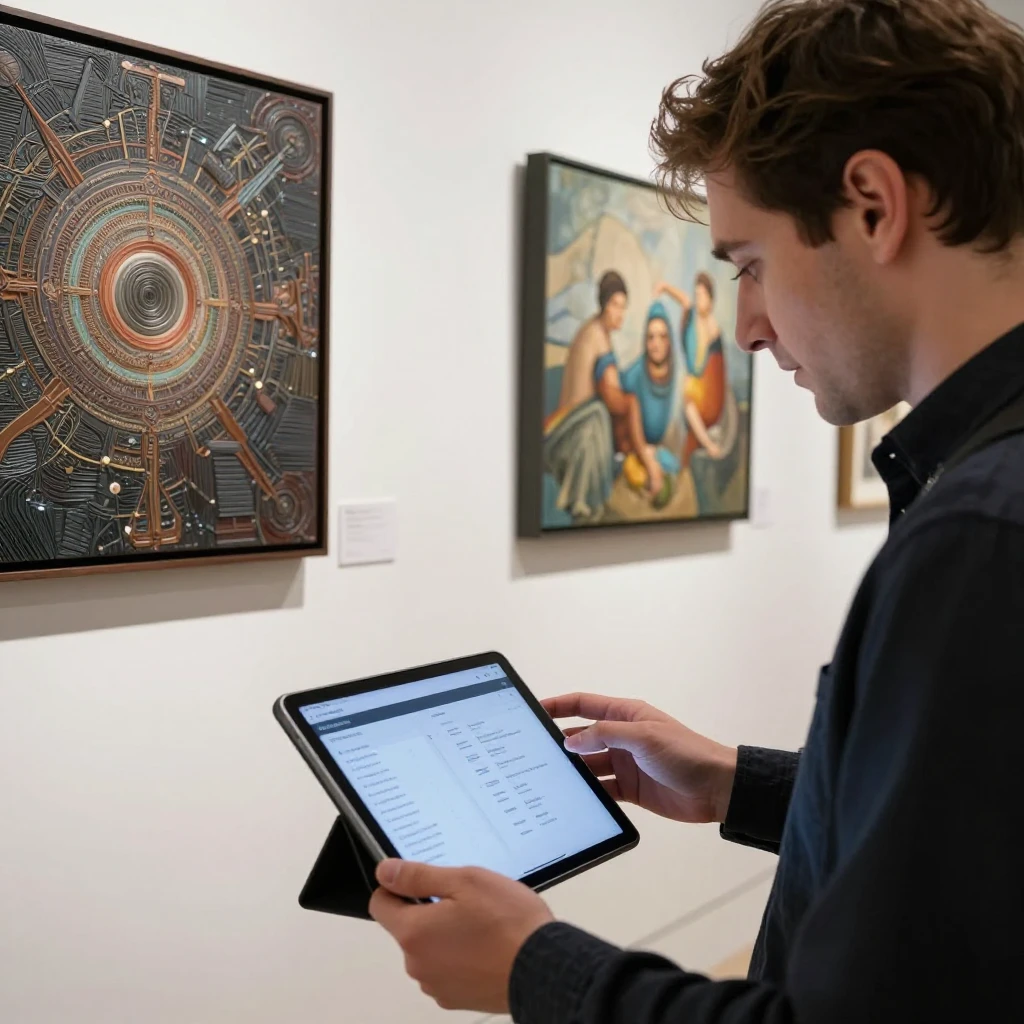
NFTs face real limits: token prices can be volatile, platforms can change, and access to wallets and blockchain tools can be difficult for newcomers. Environmental effects vary by blockchain and its energy system, so broad claims about every NFT having the same footprint are misleading.
During periods of intense attention, some buyers treated NFTs chiefly as speculative assets. That mindset can obscure the artistic work and leave collectors exposed to sharp changes in demand. A high sale price at one moment does not establish lasting cultural importance or future resale value.
Accessibility is another concern. Creating a wallet, safeguarding private keys, paying transaction fees, and navigating marketplaces can present barriers. Artists may face costs before they know whether a project will find an audience. Galleries, meanwhile, need staff time and technical capacity to present digital work responsibly.
Environmental impact depends on how a blockchain reaches agreement about transactions. Some networks use energy-intensive proof-of-work systems; others use less energy-intensive approaches, and network conditions change over time. Artists and institutions should evaluate the specific chain and its infrastructure rather than assume that every NFT has an identical impact.
Finally, a token’s durability is not the same as the artwork’s durability. A blockchain may continue recording transactions while a linked file, marketplace, or display format becomes obsolete. Long-term care requires decisions about file preservation, documentation, software dependencies, and how a work can be experienced in the future.
Revolution or Temporary Trend?
NFTs are best understood as a lasting technical option surrounded by a temporary wave of speculation. They have expanded discussion of digital ownership and provenance, but the token itself does not transform every part of the art market.
The enduring change is that digital artworks can be issued and transferred with a visible token history. That may suit artists who want to define editions, collectors who value documented transfers, or curators exploring network-based art. It also encourages closer attention to licensing and the difference between owning a token and owning copyright.
The less durable part is the expectation that NFT sales will reliably make artists wealthy or make every digital file scarce in a meaningful artistic sense. Scarcity can be programmed, but cultural value comes from more than a limited supply. Artistic intent, critical discussion, exhibition, and long-term care still matter.
For galleries, the practical question is not whether to adopt every new platform. It is whether a tool helps present a particular artist’s work and serve its audience. Some projects benefit from blockchain records; others work better as digital editions, websites, video installations, or files documented through established gallery practices.
What NFTs Could Mean for Contemporary Art Next
NFTs may remain part of contemporary art where they solve a specific problem or become integral to the artwork’s concept. Artists, collectors, and galleries will likely use them selectively, alongside established forms of exhibition, documentation, and sale.
Artists can start by asking what the token adds: Does it clarify editioning, enable a meaningful interaction, support a direct relationship with collectors, or form part of the artwork’s subject? If the answer is unclear, minting may add complexity without improving the work.
Collectors can approach NFT art with the same care they bring to other acquisitions: verify the artist and provenance, read the license, understand what the token represents, and consider how the work will be preserved and displayed. A purchase should make sense as an engagement with the artwork, not only as a prediction about resale.
Contemporary art galleries can contribute by providing context, asking precise questions about authorship and access, and building preservation plans with artists. In that setting, blockchain is one element of a larger practice. The lasting story of NFTs will depend less on market headlines than on whether artists and institutions use the technology to make meaningful work and care for it over time.