The Intersection of Fashion and Contemporary Art: Wearable Masterpieces
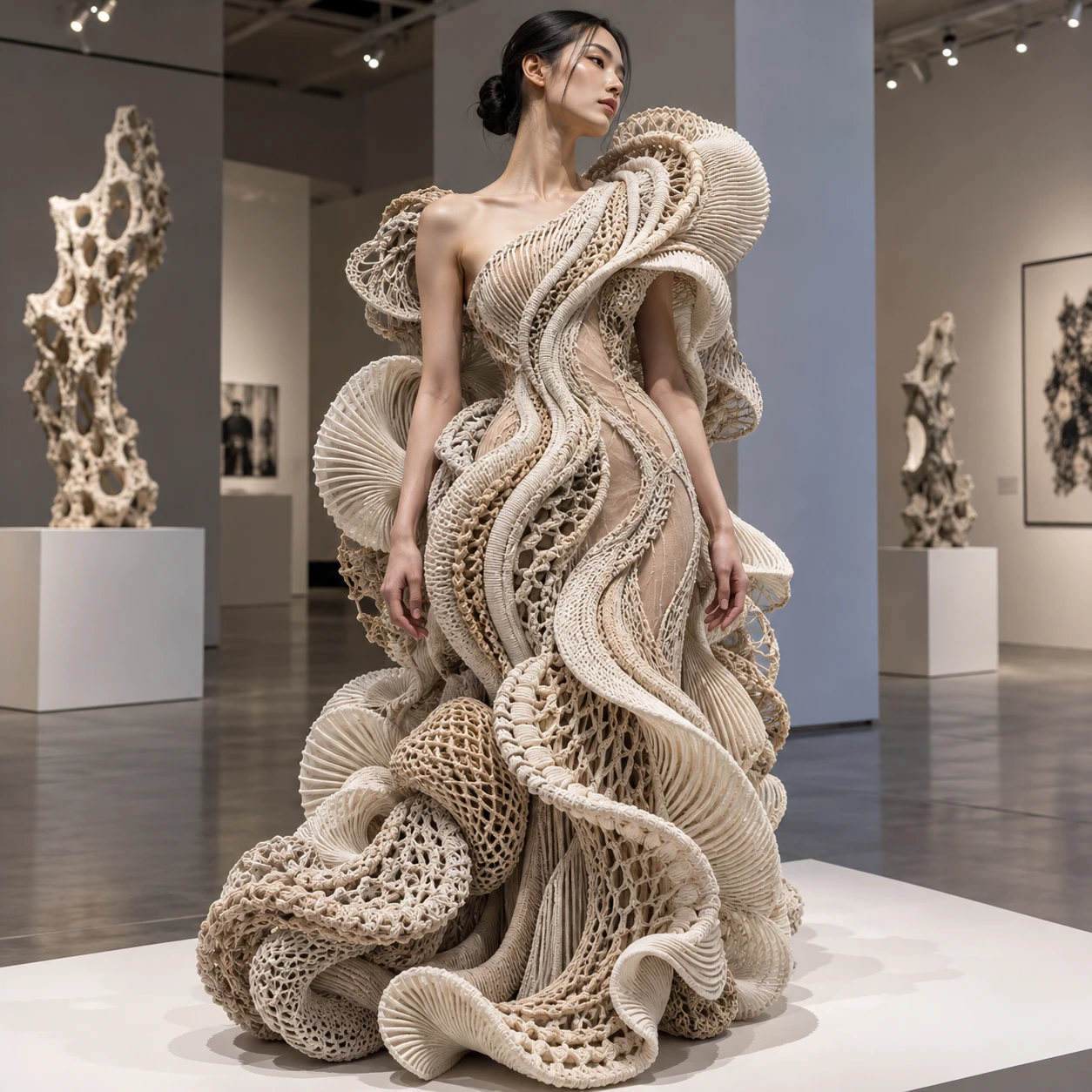
A garment can protect the body, express identity, and carry an idea into the world. At the intersection of contemporary art and fashion, clothing and accessories may also become works to look at, interpret, and question. These wearable masterpieces draw attention to their materials, construction, and relationship with the body, inviting viewers to consider where design ends and art begins.
When Clothing Becomes Art
Wearable art is clothing or an accessory made to communicate an artistic idea through its form, material, or use on the body. Unlike fashion designed mainly for everyday wear, it places creative expression and meaning at the center, though it can still be functional or worn.
The distinction is not a strict boundary. Fashion design can be deeply conceptual, and a wearable artwork may be beautifully made and practical. The difference often lies in the work’s priorities: a fashion collection typically considers use, fit, production, and an audience’s needs, while wearable art may deliberately challenge comfort, conventional silhouette, or the idea of what clothing should do.
Textile art offers one route into this territory. Weaving, embroidery, dyeing, quilting, and experimental fabric construction can turn cloth into both subject and medium. A garment may also use found or unexpected materials, transforming them through craft into something that prompts questions about value, labor, sustainability, or the boundary between body and object. The viewer encounters a work that can be worn, but also carries the attention and presence associated with contemporary art.
Shared Ground: Form, Material, and Meaning
Artists and fashion designers share a visual language of form, material, and meaning. Texture, color, silhouette, and technique can shape how a piece is read before a viewer knows anything about its concept.
A stiff, architectural shape might make a garment feel protective or restrictive; a soft, translucent textile can suggest vulnerability or movement. Repetition in a pattern may evoke order, while irregular stitching can make the maker’s hand visible. These choices are not decoration alone. They guide attention and help a work communicate.
Material and craftsmanship matter because they affect both appearance and interpretation. Handwork can reveal time and labor; a manufactured fabric may point toward industry, uniformity, or mass production. Reused materials may bring an object’s earlier life into the work, although the artist’s intent and context determine how that choice should be understood. Looking closely at seams, edges, closures, and surface treatments can show how an idea becomes physical.
Symbolism also travels through clothing. A uniform, veil, or suit can carry familiar social associations, but a contemporary artist may alter its scale, construction, or placement to make those associations newly visible. Rather than assuming a single meaning, viewers can ask what the piece makes them notice and which details support that reading.
The Body as Canvas and Subject
The dressed body is both the surface for wearable art and part of the work’s meaning. Clothing changes how a person moves, appears, and is perceived, so a garment’s effect depends on the body that wears it and the setting in which it is seen.
Fit and movement shape the experience. A piece that shifts with a wearer changes over time; one that limits movement makes that restriction part of its presence. Weight, temperature, and touch matter too, even when an audience cannot physically handle the work. A photograph may show the silhouette, but a live presentation can reveal balance, motion, and how the garment occupies space.
Clothing is also a powerful language of identity and self-expression. It can signal belonging, mark difference, or help someone experiment with how they present themselves. Wearable art can make those social codes visible by exaggerating, combining, or disrupting them. At the same time, a gallery display of a garment on a mannequin removes the wearer’s agency and living presence. That absence may sharpen attention to construction, but it can also flatten the work’s relationship to lived experience.
When viewing a piece, consider whose body it seems designed for, what kinds of movement it allows, and what assumptions about gender, age, ability, or status its shape might carry. These questions enrich the encounter without reducing the work to a single message.
Collaboration Across Creative Fields
An art and fashion collaboration brings together different approaches to making, from concept development and garment construction to material research and presentation. Artists, designers, textile specialists, and craftspeople can each contribute knowledge that changes the final work.
An artist might begin with a question about memory or the body; a fashion designer may translate that idea into pattern, fit, and a garment that can move. A craftsperson’s expertise in weaving, metalwork, embroidery, or dyeing can make a material solution possible. Collaboration can also be less direct: artists and designers may exchange references, techniques, or working methods without sharing authorship equally.
Good collaboration requires clarity about the process. Who developed the concept? Who selected the materials? How are technical decisions made, and how is each contributor credited? These details matter because craftsmanship is often highly visible in wearable work, while the labor behind it can be overlooked. A strong partnership respects both conceptual direction and practical expertise.
There are trade-offs. A garment built to work on the body may need to compromise on scale or fragility; an object made for visual impact may be difficult to wear or maintain. Naming those constraints helps audiences understand the work’s choices rather than treating function as a simple measure of success.
From Studio to Gallery
A gallery exhibition helps audiences encounter fashion as contemporary art by shaping how a wearable work is displayed, contextualized, and interpreted. The setting can make details visible, but it also influences what viewers understand the piece to be.
A garment on a mannequin emphasizes its silhouette and construction. A vitrine can protect delicate materials while keeping viewers at a distance. Video or photography may show how the work behaves on a moving body, while sketches, samples, or process notes can reveal how it developed. Each choice offers something and leaves something out: a static display preserves a shape, for example, but cannot fully convey how fabric responds to motion.
Interpretation matters as much as display. Labels can identify materials, makers, dates, and methods, then offer context without dictating a single reading. Gallery staff may also consider lighting, supports, handling, and environmental conditions to protect vulnerable textiles. Preservation needs can limit how often a work is worn or exposed, especially when its materials are fragile or its construction cannot easily be repaired.
For a gallery audience, the most useful presentation often connects the work’s physical details to its ideas. A close view of stitching can lead to questions about labor; a short film of a garment in motion can restore some sense of the dressed body. The exhibition becomes a meeting point between object, maker, wearer, and viewer.
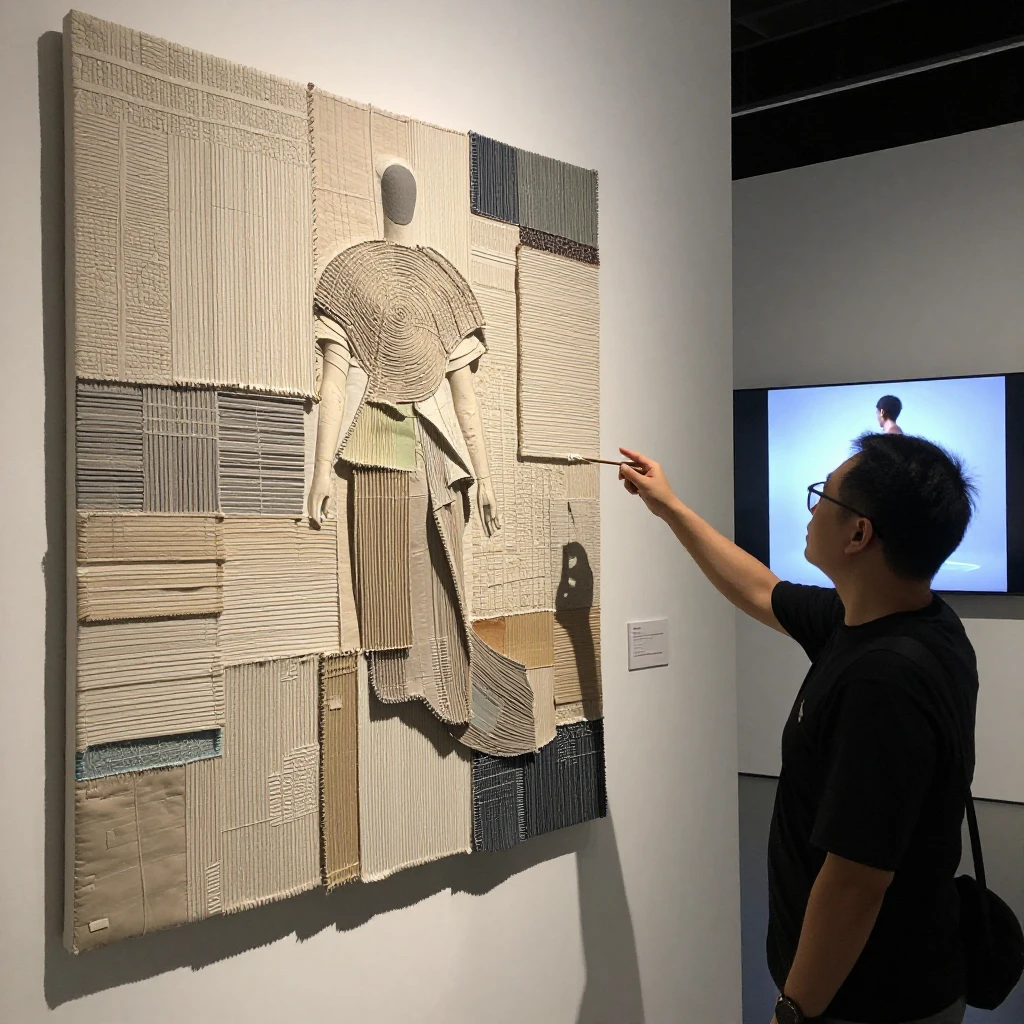
Looking Closely at Wearable Masterpieces
To understand a wearable masterpiece, look at four things: its materials, construction, concept, and relationship to the body. This simple framework helps connect what you can see to what the work may be asking you to consider.
- Materials: What is the garment made from? Do its textures, weight, or origins suggest particular ideas or associations?
- Construction: How do seams, joins, fastenings, and hand-finished details shape the piece? What does the maker’s technique make possible?
- Concept: What question or tension might the work raise? Consider how its form supports that reading, while staying open to more than one interpretation.
- Body: How might the garment fit, move, or restrict its wearer? What changes when it is displayed without a person inside it?
Try this approach in front of an actual object: first take in its overall shape, then choose one detail to examine closely. Notice how your interpretation changes when you learn the material or imagine the piece in motion. A wearable artwork rewards both quick impressions and patient looking. Its meaning develops through the contact between textile, craft, body, and the gallery context that brings them together.